



Table of Contents
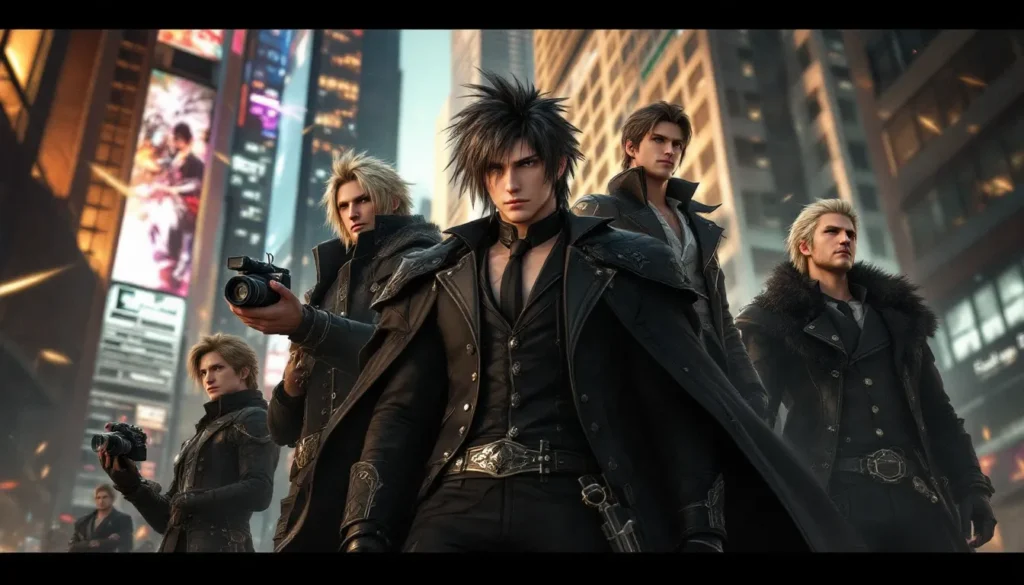
ToggleFinal Fantasy XV stands apart from its predecessors in how it weaves character development into its narrative fabric. The game’s cast, particularly the core party, transcends the typical “chosen one” archetype by grounding these characters in genuine friendship, vulnerability, and growth. Whether you’re replaying the base game, diving into the Director’s Cut, or exploring the expanded DLC episodes, understanding who these characters are and how they function in combat matters. This guide breaks down every major party member, their roles in the story, and their gameplay contributions to help you get the most out of your journey across Eos.
Key Takeaways
- Final Fantasy XV characters excel through genuine friendship and vulnerability rather than chosen-one tropes, with Noctis, Prompto, Ignis, and Gladiolus forming the emotional core of the narrative.
- Each party member brings distinct combat roles—Noctis as versatile DPS with Warp Strike, Prompto as ranged specialist, Ignis as support chef and strategist, and Gladiolus as durable tank—creating balanced team dynamics.
- Supporting characters like Luna, Aranea, and Cor add depth to Final Fantasy XV’s world by pursuing their own agendas rather than serving as plot devices, grounding the narrative in believable relationships.
- Ignis’s cooking system and Gladiolus’s temporary departure demonstrate how secondary mechanics and story beats reinforce character significance and force party adaptation.
- The DLC episodes (Prompto, Ignis, and Gladiolus) expand character arcs and motivations beyond the base game, making them essential for deeper understanding of Final Fantasy XV’s cast.
- Final Fantasy XV prioritizes emotional resonance over traditional mechanics, with character-driven storytelling about self-worth, sacrifice, and loyalty creating lasting impact across the player’s journey through Eos.
Noctis Lucis Caelum: The Reluctant King
Background and Royal Heritage
Noctis Lucis Caelum is the protagonist of Final Fantasy XV, and his character arc defines the entire experience. As the crown prince of Lucis, he’s thrust into circumstances far beyond his control when the empire invades and claims his homeland. Unlike typical heroes who embrace destiny, Noctis actively resists it, at least initially. His journey from spoiled prince to reluctant savior forms the emotional backbone of the narrative.
The guy never asked to be a king. He’s dealing with the weight of prophecy, the loss of his father, and the responsibility of saving his entire world. What makes Noctis compelling isn’t superhuman courage, it’s that he’s scared, sometimes petty, and genuinely just wants to live a normal life with his friends. That vulnerability resonates, especially when contrasted with the power he eventually wields. The backstory elements introduced in the Final Fantasy XV: Pocket Edition and the Comrades DLC expand his motivations further, showing his perspective before everything falls apart.
Combat Role and Signature Abilities
Noctis functions as the primary protagonist character you’ll control in combat, and his toolset is versatile. He’s got balanced offensive and defensive capabilities, making him adaptable to various situations. His signature ability is Warp Strike, which lets him teleport to enemies and deal damage, a cornerstone move that defines his playstyle.
His combat strengths include:
- Armiger: Summons spectral weapons around him, increasing damage output and damage reduction for a limited duration. This is his ultimate ability and turns the tide in tough fights.
- Weapon Versatility: Noctis can equip and switch between multiple weapon types mid-combat, greatswords, daggers, spears, and shields. Each has different combo chains and DPS profiles.
- Magic Usage: Unlike some party members, Noctis can use magic directly. Drawing elements from the environment or crafted spells gives him flexibility in damage types.
- Royal Arms: Late-game exclusive weapons that dish out significant damage but drain HP when used. These are high-risk, high-reward options.
In endgame content and harder difficulties (especially in patches post-launch), Noctis remains viable but requires understanding his ability cooldowns and when to swap between defensive and offensive stances. His DPS peaks during Armiger phases, so timing that ability becomes critical for challenging encounters.
Prompto Argentum: The Loyal Photographer
Character Development and Story Arc
Prompto is the light-hearted member of the crew, the one cracking jokes at inappropriate moments and documenting everything with his beloved camera. On the surface, he seems like comic relief, but his character arc carries genuine weight. His insecurities about fitting in with royalty, his history with the empire, and his struggles with self-worth create layers that pay off emotionally by the game’s finale.
What’s interesting about Prompto is that he’s not actually trying to be funny all the time. He uses humor as a defense mechanism. As the story progresses, especially in the Episode Prompto DLC, you see his vulnerability more clearly. He’s dealing with revelations about his past, his identity, and whether he truly belongs with Noctis and the crew. His loyalty, but, never wavers, he’s genuinely invested in these people, and that makes his moments of doubt hit harder.
Gameplay Mechanics and Firearms Expertise
Prompto’s combat identity revolves entirely around guns and ranged damage. He’s the dedicated ranged DPS character, and he fills that role effectively. His firearms handle differently than melee weapons, offering consistent damage from a distance while the party handles closer threats.
Key aspects of his combat:
- Firearms: Prompto uses pistols and can equip different gun types with varying stats. His DPS is steady but relies on consistent ammo availability.
- Targeting: He can switch targets independently, letting you focus fire on specific enemies or weak points. This makes him excellent for boss encounters where burst damage on certain phases matters.
- Linked Abilities: Prompto can chain abilities with party members for combo effects. His link abilities typically involve precision shots or burst damage windows.
- Weakness to Melee: He’s got lower physical defense than Gladiolus, so positioning and distance management matter when enemies close in. The AI handles his positioning reasonably, but micromanagement on harder difficulties helps.
In Royal Edition and post-patch updates, Prompto’s viability scales well into late-game. His ammo economy isn’t restrictive, and his ability to handle multiple target types (armored, aerial, resistant) gives him consistent utility. Dedicated players on higher difficulties appreciate his predictable damage output and the flexibility of ranged positioning.
Ignis Stupeo Scientia: The Strategist and Chef
Role as Advisor and Support Character
Ignis is the intellectual anchor of the party. He serves as Noctis’s strategist, advisor, and, most importantly, the group’s chef. His role transcends typical support class mechanics: he’s woven into the narrative as the voice of reason, the planner, and the moral compass when things get murky. His analytical nature and loyalty to Noctis run deep, even when he questions the wisdom of their mission.
What separates Ignis from generic support characters is his arc. He loses his sight partway through the game, and instead of sidelining him narratively, the story leans into his adaptation. He becomes a compelling figure precisely because he doesn’t give up: he finds new ways to contribute. This is showcased powerfully in the Episode Ignis DLC, where you play as him directly and see how he’s navigated his condition. Gamers who’ve experienced vision loss themselves often cite Ignis as meaningful representation done respectfully.
Cooking System and Combat Techniques
Ignis’s unique mechanic is the cooking system. Between battles, at campsites, or at restaurants, Ignis prepares meals that provide temporary stat boosts, ability enhancements, or status effect immunity. This isn’t cosmetic, optimized meal selection directly impacts your performance in tough encounters.
Cooking mechanics include:
- Recipes: Unlock recipes by finding ingredients, eating at restaurants, or learning from other characters. Recipes range from stat boosts (increased HP, Strength) to ability-specific bonuses (increased Warp Strike damage, faster magic casting).
- Ingredient Quality: Gathering higher-quality ingredients from vendors or the environment improves meal potency. Some recipes require rare ingredients.
- Party-Wide Effects: Meals buff the entire party, making this a strategic resource management tool. Planning meals before challenging bosses is standard practice for serious players.
In combat, Ignis uses daggers and magic, leaning toward support spellcasting and status effects. His abilities include:
- Enhancement Magic: Spells that buff party stats or apply beneficial effects.
- Regroup: Heals and repositions the party to safety.
- Analysis: Scans enemy weaknesses and provides strategic intel. This is incredibly useful on first encounters with unfamiliar bosses.
Post-patch changes have improved Ignis’s damage output so he’s not purely dead weight in offense. On standard difficulties, his support and cooking utility is sufficient. On higher tiers, players often lean on his ability enhancement timing and tactical spell placement. The Episode Ignis DLC explores his combat potential in a more offensive direction, giving fans a different perspective on his capabilities.
Gladiolus Amicitia: The Protective Shield
Personal Quest and Character Growth
Gladiolus is the party’s tank, physically imposing, loyal, and absolutely someone you want watching your back in a fight. Beyond his role in battle, his character arc involves a personal quest that temporarily removes him from the party. This absence forces the group to reassess and adapt, underscoring how integral he is to their dynamic. His dedication to protecting Noctis stems from a genuine sense of duty and friendship, not just obligation.
What’s noteworthy about Gladiolus is his struggle with worthiness. He’s constantly asking whether he’s doing enough, whether his training is sufficient, whether he deserves his position beside the crown prince. This insecurity drives his side quest, where he undertakes a grueling trial to prove his strength. It’s a personal journey that speaks to themes of self-doubt and dedication. Unlike characters who doubt themselves while moping, Gladiolus channels that doubt into action. He gets stronger because he wants to be reliable.
Strength-Based Combat and Tanking Role
Gladiolus excels as a tank and close-range damage dealer. He prioritizes physical durability and consistent melee DPS over flashy abilities. His weapon class is claymores and greatswords, heavy, slow weapons that hit hard and have defensive properties.
Tanking mechanics in Final Fantasy XV work differently than traditional MMOs. Gladiolus doesn’t hold aggro directly, but his high HP, heavy armor options, and defensive abilities let him absorb punishment while dealing damage. Key aspects:
- High HP Pool: Naturally higher maximum health than other party members, letting him endure hits.
- Heavy Weapons: Claymores and greatswords have slow attack speeds but massive per-hit damage. Mastery means understanding combo windows and enemy attack patterns.
- Protective Abilities: Abilities that shield allies or reduce incoming damage. Tempest is a notable skill that allows him to throw enemies around, controlling the battlefield.
- Challenge: With limited mobility compared to Noctis or Prompto, positioning matters. Keeping Gladiolus in effective range without letting him get isolated requires awareness.
In post-launch Royal Edition patches, Gladiolus’s survivability was improved, making him viable even on higher difficulties. His role shines in extended fights where raw durability matters more than burst damage windows. Dedicated players appreciate his straightforward design, no fancy mechanics, just solid dependability.
Luna Freya Nox Fleuret: The Oracle
Mythical Significance and Powers
Luna Freya Nox Fleuret occupies a unique narrative position. She’s not a permanent party member but a critical figure whose actions shape the entire story. As the Oracle, she’s tasked with invoking the Astrals, godlike beings, to lend their power to humanity in its struggle against darkness. This role puts her in direct opposition to the empire and forces her to make sacrifices that ripple through the entire narrative.
Her significance goes beyond gameplay mechanics. Luna represents destiny, sacrifice, and the weight of responsibility in ways Noctis comes to understand too late. The game’s emotional devastation partly stems from realizing exactly what her role entailed and what it cost her. Narratively, she’s designed to be mysterious and powerful, yet deeply human in her motivations. She cares about Noctis, understands his burden, and tries to help him in ways he doesn’t initially recognize.
The DLC episode “Episode Luna” (which never officially released but was previewed) would have given players her perspective directly, a detail that haunts fans wanting deeper insight into her character.
Impact on the Story and Character Relationships
Luna’s interactions with Noctis form the emotional centerline of Final Fantasy XV. Their relationship exists partially offscreen, we see glimpses through cutscenes and story beats rather than direct party participation. This actually strengthens the impact: her absence is felt as keenly as her presence.
Her relationships with other characters also matter:
- Noctis: Romantic undertones exist, though both are bound by duty first. There’s love there, but it’s complicated by prophecy and responsibility.
- Ravus: Her brother’s conflicted loyalty becomes a plot point. She and Ravus represent two sides of a divided family caught in the empire’s machinery.
- The Astrals: Her connection to divine beings elevates her conceptually beyond typical party members. She’s a conduit, and that role demands everything.
Without spoiling specifics, Luna’s arc concludes with narrative consequences that define the game’s closing chapters. Players who engage with her story deeply report that the ending hits harder than those who treated her as a secondary character. Her contribution to party dynamics operates on an emotional rather than mechanical level, she doesn’t fight alongside the party, but her mission justifies everything they’re fighting for. Links to external gaming guides like those found on game walkthroughs and tier lists can provide additional context on how her story integrates with broader Final Fantasy XV lore.
Secondary and Memorable Characters
Aranea Highwind and Cor Leonis
Aranea Highwind deserves mention as a temporary party member who fights alongside your crew in specific story segments. She’s an imperial dragoon, skilled, independent, and refreshingly pragmatic. Unlike typical antagonists-turned-allies, Aranea doesn’t have a redemption arc: she’s simply pursuing her own interests and happens to align with Noctis temporarily. In combat, she brings aerial mobility and dragoon abilities to the table, offering a different combat flavor than the core four.
Her character work is clever because she respects Noctis without fawning over him. She’s not trying to join his crew permanently: she’s got her own agenda. This creates a compelling dynamic where her presence feels earned rather than convenient. Players who fought alongside her appreciate her combat utility, and those who encountered her purely narratively acknowledge her as a strong supporting character.
Cor Leonis, the mysterious “Immortal” swordsman, embodies the dangerous past that Noctis is inheriting. He’s involved in Noctis’s training, appears at critical story moments, and represents a darker path that Noctis could follow. His combat presence is limited, but his narrative weight is significant. He’s not flashy, but he’s competent, and that understatement makes him memorable. His allegiance and true motivations remain ambiguous enough to intrigue players without feeling cheap.
Both characters exemplify how Final Fantasy XV populates its world with people who have their own priorities. They’re not just plot devices: they exist with apparent autonomy, which grounds the narrative.
Cindy, Cid, and the Support Cast
Cindy is the mechanic who services your car (the Regalia) and provides crucial upgrades throughout the game. She’s a capable engineer running her family’s garage, and her southern accent and folksy charm have made her a fan-favorite character even though limited screen time. Her interaction with the party feels grounded, she’s got her business to run, but she helps when asked.
Cid, her grandfather, is a legendary figure whose role is primarily narrative. He’s been around forever and carries stories of the old world. His knowledge and perspective remind players that this world has history extending far beyond the current conflict. He’s not a combat participant, but his presence anchors the world-building.
The support cast also includes the Chocobos, which deserve a note. They’re mountable creatures that let you traverse the map at your own pace, and they’ve become iconic to Final Fantasy as a franchise. Final Fantasy XV’s Chocobos are less combat-focused than in some entries, primarily serving as travel, but riding one across Eos is a relaxing moment in an otherwise intense narrative.
These secondary characters matter because they fill out the world. Final Fantasy XIV’s robust supporting cast demonstrates how well-developed secondary characters enrich the experience, and Final Fantasy XV follows suit by making NPCs feel like they’re living their own lives rather than waiting for the protagonist to validate them.
Character Relationships and Party Dynamics
Friendship Bonds Between Party Members
The core strength of Final Fantasy XV’s narrative is the friendship between Noctis, Prompto, Ignis, and Gladiolus. This isn’t a party assembled by fate or duty alone, these are guys who care about each other, argue with each other, and genuinely grow together. The game’s campfire conversations, photo moments, and downtime sequences reinforce this. You’re not just managing stats: you’re watching a genuine friendship weather impossible circumstances.
The dynamics play out naturally. Prompto teases Noctis about his reluctance to be king. Ignis exasperates them with his overly formal logic. Gladiolus keeps everyone grounded with straightforward advice. These aren’t random personality traits: they serve narrative purposes. When Gladiolus temporarily leaves, the party dynamic shifts noticeably. When Prompto reveals secrets, it impacts group trust. Final Fantasy XIV’s class-based structure creates different team compositions, but Final Fantasy XV’s fixed party forces you to understand how these specific individuals function together.
What elevates the party dynamics beyond typical video game friendships is how the story tests them. By the game’s end, these characters have been through trauma together. They’ve been separated, reunited, and forced to make impossible choices. The weight of that history informs their final interactions. Without spoiling anything, the ending sequences hit different when you’ve invested in understanding these relationships throughout the game.
Romance and Emotional Story Elements
Romance in Final Fantasy XV exists as a thematic element rather than a gameplay mechanic. The primary romantic thread involves Noctis and Luna, but it operates differently than traditional romance subplots. It’s woven into the prophecy and fate, both characters are bound by duty, and their relationship exists in the spaces between responsibilities.
This isn’t the game’s only emotional throughline. Prompto’s arc touches on self-worth and belonging. Ignis’s journey involves accepting limitations and finding new purpose. Gladiolus’s story addresses masculine insecurity and the pressure to be strong for others. These aren’t light touches: they’re central to why these characters resonate.
The game doesn’t shy away from grief either. By the final chapters, players experience genuine loss and the weight of sacrifice. The emotional toll is palpable, especially for players who’ve grown attached to the crew. This is where Final Fantasy XV distinguishes itself from action-heavy competitors, it prioritizes emotional resonance alongside combat spectacle.
An aspect worth noting: the DLC episodes (Prompto, Gladiolus, and Ignis) expand relationships in ways the base game couldn’t. Playing these episodes provides character depth and reveals motivations that weren’t immediately obvious. For players serious about understanding these characters, the DLC is practically essential. GameSpot’s review coverage noted that the DLC episodes significantly enhance character appreciation, and that assessment holds up in 2026.
The relationship development also extends to the environment and location design. Visiting previous locations later in the story carries different weight because you’ve learned more about the characters’ history with those places. A casual campsite conversation from early game becomes poignant when revisited after major story beats. This is deliberate design that reinforces emotional investment.
Conclusion
Final Fantasy XV’s characters work because they’re flawed, relatable people facing impossible circumstances. Noctis isn’t a traditional hero, he’s a guy who didn’t ask for this. Prompto isn’t comic relief, he’s someone learning to value himself. Ignis isn’t just a support class, he’s an essential thinker adapting to catastrophic change. Gladiolus isn’t a one-note tank, he’s wrestling with worthiness and strength.
The supporting cast, including Luna, Aranea, Cor, and the various NPCs, fills out a world that feels inhabited and real. These aren’t background characters: they’re people pursuing their own goals while the main narrative unfolds.
Understanding these characters deepens your Final Fantasy XV experience significantly. Whether you’re replaying the game in 2026, experiencing it for the first time, or revisiting it through the Royal Edition, spending time with this crew matters. The combat mechanics, party composition, and ability rotations are important, sure, but the reason Final Fantasy XV endures is because you care what happens to these people.
The journey across Eos becomes meaningful not because the world is beautiful (though it is) but because you’re traveling with friends who mean something. That’s what separates Final Fantasy XV from countless other RPGs. In an era of increasing cinematic games, Final Fantasy XV committed to making you feel something for its characters. Whether it fully succeeds is debatable, but the effort is undeniable and worth experiencing yourself.
Additional Resources and References
If you’re looking for additional information about Final Fantasy XV or related Final Fantasy titles, several resources can help deepen your understanding:
- Final Fantasy 14 starting paths offer character creation fundamentals similar to party role selection, helping you understand team composition philosophy.
- Final Fantasy XIV’s class tier evaluations break down how different character types contribute to party balance, a concept that directly parallels Final Fantasy XV’s core four dynamic.
- Push Square’s PlayStation coverage provides comprehensive PS5 and PS4 perspective on the game, useful if you’re playing on PlayStation platforms.
- The Final Fantasy XIV Au Ra lore explores character design depth similar to how Final Fantasy XV’s cast design communicates their background and status.
- Final Fantasy XIV’s Dawntrail narrative demonstrates modern storytelling in the franchise, offering context for how Final Fantasy XV’s narrative structure compares to newer entries.