


Table of Contents
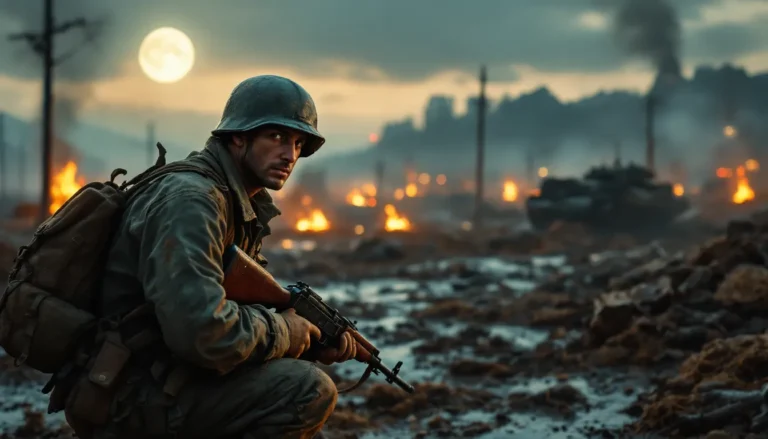
ToggleFinal Fantasy Type-0 HD might be one of the most underrated entries in the Final Fantasy franchise. Originally released on PSP in 2011 and later remastered for PS4 and Xbox One in 2015, this game never quite got the spotlight it deserved, but that doesn’t mean it’s any less compelling. Set in a war-torn world called Orience, Type-0 HD delivers a brutal, fast-paced experience that feels distinct from the mainline series. You’re not saving the world as a chosen one: you’re a soldier in a military academy fighting for survival against overwhelming odds. The story doesn’t pull punches, the combat demands real skill, and the cast of twelve playable characters each brings something unique to the table. If you’re diving into Type-0 HD for the first time or revisiting it in 2026, this guide covers everything you need to know: from understanding the lore and mastering the combat system to unlocking character abilities and tackling the game’s toughest challenges.
Key Takeaways
- Final Fantasy Type-0 HD delivers a mature, grounded military experience with real-time combat that rewards skill and punishes carelessness, standing apart from traditional Final Fantasy entries.
- The game features twelve playable Class Zero members, each with distinct playstyles, and forces rotation through injuries and mission requirements to ensure players master multiple characters.
- Type-0 HD’s story refuses moral simplicity in its war-torn world of Orience, with significant consequences that persist throughout the campaign and elevate it as one of the franchise’s most thought-provoking entries.
- The HD remaster substantially improves upon the original PSP version with stable frame rates, sharper graphics, and responsive controls that make combat feel satisfying on modern consoles and PC.
- Master guard mechanics and Magic Stone loadouts to maximize character effectiveness, as proper defense management and ability optimization are crucial to surviving late-game difficulty challenges.
- Type-0 HD offers 30-40 hours of campaign content with additional endgame replay value through Kill Sight multiplayer mode and higher difficulty clears, making it essential for action-RPG enthusiasts seeking a unique Final Fantasy experience.
What Is Final Fantasy Type-0 HD?
Final Fantasy Type-0 HD is a remastered action-RPG that brings the PSP’s cult classic to modern consoles with improved graphics, better frame rates, and sharper controls. Available on PS4, Xbox One, and PC, the game stands apart from traditional Final Fantasy titles by blending military academy storylines with relentless real-time combat. Rather than turn-based mechanics, you’re commanding Class Zero, an elite military unit, through missions that mix narrative-heavy cutscenes with intense action sequences.
The game carries the “Type-0” designation for a reason. In the Final Fantasy universe, this denotes a story disconnected from the main numbered entries, allowing the creators to take narrative risks without adhering to franchise conventions. The HD remaster smoothed out the PSP version’s rough edges: frame rates went from unstable 30fps to a more stable experience, textures received an overhaul, and UI elements became less cluttered. On PC, players can push performance even further with higher resolutions and uncapped frame rates, though console versions still hold their own. This isn’t a watered-down port, it’s a legitimate upgrade that makes the game far more accessible and enjoyable for modern audiences.
The core appeal boils down to this: Type-0 HD offers a mature, grounded Final Fantasy experience. No summoning meteors or time-traveling. You’re fighting with military precision, watching friends fall in battle, and questioning the morality of the conflict itself. That’s what makes it special.
Story and Setting: Understanding Orience
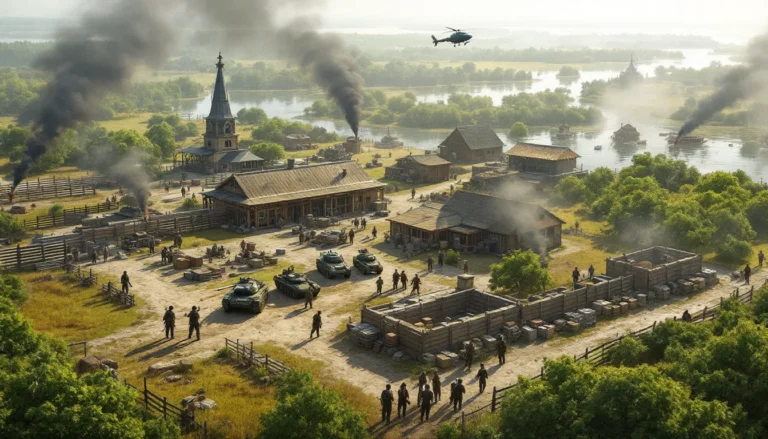
Orience is a fractured world on the brink of annihilation. Four nations vie for control: the Milites Empire, the Dominion of Rubrum, the Kingdom of Concordia, and the Lorican Alliance. But this isn’t a political drama where diplomacy matters, one of these nations has conquered the others through sheer military force, and the story unfolds as a tragic war for survival.
The Four Nations and Their Conflict
The Milites Empire is the aggressor, a militaristic superpower determined to bring all of Orience under its banner. Their soldiers are well-equipped, disciplined, and ruthless. The Dominion of Rubrum serves as your faction, a theocratic nation that relies on magic users and crystal power to mount resistance. The Kingdom of Concordia and Lorican Alliance are caught in the crossfire, with their fates largely determined by events beyond their control.
The real tragedy of Type-0 HD’s story is that nobody wins cleanly. The narrative refuses to give you a simple “good guy” perspective. Rubrum soldiers commit atrocities just as readily as Milites forces. Civilian casualties are glossed over as acceptable losses. By the end, you’ll question whether the victory, if you can even call it that, was worth the cost. This moral ambiguity elevates Type-0 HD beyond typical RPG fare and explains why fans consider it one of the franchise’s most thought-provoking entries.
Class Zero’s Role in the War
You command Class Zero, a unit of twelve cadets from the Rubrum military academy. These aren’t trained soldiers yet, they’re teenagers thrust into a full-scale war where mistakes mean death. The game opens mid-conflict, and you immediately feel the desperation. Your commanding officer, Marshal Cid, treats Class Zero as expendable. Missions get assigned with minimal briefing, and the tone makes clear that you’re expected to complete objectives regardless of casualties.
Class Zero’s journey mirrors the larger war: initial victories give way to setbacks, allies fall, and the stakes escalate with each mission. Unlike most Final Fantasy games where your party grows closer through peaceful moments, Type-0 HD builds camaraderie through shared trauma. You watch classmates get seriously injured, emotionally broken, or killed. The game doesn’t reset their conditions after missions, injuries persist. A character who gets mortally wounded early on doesn’t magically recover. That weight stays with you throughout the entire campaign.
The story structure uses a calendar system where you plan activities between missions. This downtime allows you to bond with your squad members and witness their emotional struggles. It’s during these moments that Class Zero transforms from soldiers into individuals you genuinely care about, which makes the story’s brutal conclusion hit even harder.
Playable Characters and Combat Mechanics
The Twelve Members of Class Zero
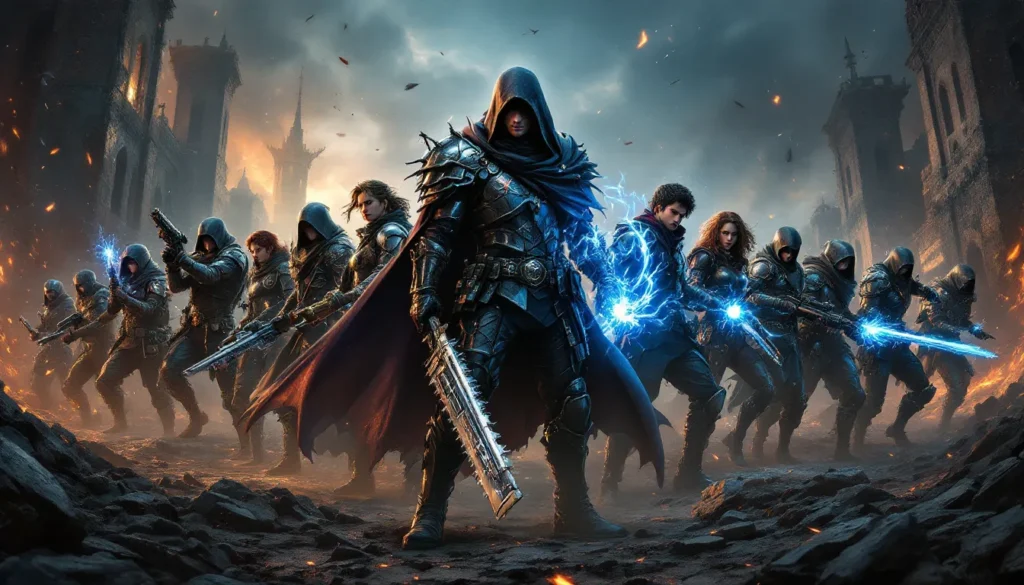
Each of the twelve Class Zero members brings a distinct playstyle to combat. You’re not restricted to a fixed party, you select three active characters per mission and can rotate them mid-battle. This flexibility means no two players tackle Type-0 HD exactly the same way.
Ace is your gunslinger, using playing cards as projectiles. His damage output scales with your ability to land shots, making him rewarding for skilled players. Deuce plays a flute and specializes in magical support and healing. Trey handles ranged physical attacks with a crossbow, dealing consistent single-target damage. Cater dual-wields guns, trading defense for high DPS. Cinque swings a giant hammer, her attacks slow but devastating, perfect for breaking enemy guards.
Sice uses a chainsaw that builds momentum the longer she swings, resulting in massive payoff damage. Jack is a melee assassin with high mobility and burst damage potential. Seven wields a whip for mid-range combat with solid crowd control. Queen is a tanky two-handed sword user who can hold her own in prolonged fights. Eight practices hand-to-hand combat, moving quickly and offering decent elemental magic support. Nine throws spears and moves fast across the battlefield. King handles heavy support magic and ranged physical attacks.
There’s no mandatory “best” party composition, the game rewards learning multiple characters and adapting to mission requirements. Early on, you’ll probably gravitate toward whoever feels comfortable. But as difficulty ramps up, forced character rotations (due to injuries) teach you to master everyone. This design philosophy ensures you can’t brute-force content with a single overpowered trio.
Real-Time Combat System
Type-0 HD abandons traditional turn-based Final Fantasy combat entirely. Instead, you get real-time action where positioning, timing, and dodging matter as much as raw stats. Each character has a standard combo, special abilities, and magic spells mapped to different button combinations. Combat feels snappy on console, responsiveness is crucial, and the remaster’s improved frame rate makes input lag negligible.
The combat loop involves activating Abilities (special moves tied to cooldowns), casting Magic (which drains MP), and managing your Guard stance. Timing your guard is critical, perfect guards reduce damage and restore MP. Without proper defense, you’ll get overwhelmed quickly. Enemies don’t wait for your cooldowns to reset: they attack in coordinated groups, forcing you to juggle threat management across all three active characters.
Summons also play a role but differently than typical Final Fantasy entries. You can call powerful creatures for big damage, but they’re rare and situational. They feel earned rather than spammable, which keeps them impactful when you do summon them.
Gameplay Features and Progression
Mission Structure and Difficulty Modes
Type-0 HD structures content around individual missions rather than a continuous overworld. You return to the academy between operations, manage your schedule, and deploy for objectives. Missions range from straightforward combat encounters to defensive scenarios where you protect locations or collect items under pressure. The variety keeps pacing fresh, you’re never grinding the same combat encounter repeatedly.
Difficulty scales from Cadet (essentially story mode) through Agito (the standard challenge) to Nightmare (which punishes every mistake). Nightmare mode isn’t just “higher enemy stats”, enemy AI becomes smarter, they coordinate attacks, and they exploit your positioning mercilessly. Taking on Nightmare missions with poorly built characters feels brutal, but that’s exactly the point. Type-0 HD respects player skill and punishes complacency.
Each mission assigns a rank based on performance: time to completion, casualties suffered, and how thoroughly you explored objectives determine your letter grade. Higher ranks unlock better rewards. This incentivizes replaying missions, especially on higher difficulties, to maximize your resource acquisition.
Leveling and Equipment Systems
Progression in Type-0 HD ties closely to Magic Stones and Abilities. Rather than grinding traditional experience points to mindlessly boost stats, you improve characters by unlocking new abilities and equipping Magic Stones, special items that grant passive bonuses and active spell access. Two characters with identical levels can perform vastly differently based on their Magic Stone setup.
Each character can equip multiple Magic Stones simultaneously, creating hybrid builds. Want Ace to heal even though being a gunslinger? Equip healing stones. Need Queen to tank harder? Grab defensive stones. This system encourages experimentation and makes your party composition feel fluid rather than role-locked.
Chapter progression naturally forces you to rotate the roster due to “injuries” sustained during missions. This prevents over-reliance on three characters and ensures you level everyone. By late-game, all twelve members are combat-viable, which opens up strategic depth when selecting your squad for specialized missions. Resources like Gil (currency) and Phoenix Downs (revival items) are limited, creating meaningful pressure on your resource management decisions.
Graphics and Performance on Modern Consoles
The jump from PSP to Type-0 HD’s current-gen remaster is substantial. The PSP version ran at compromised resolution with muddy textures and occasional frame drops during busy combat. The HD version targets 1080p resolution on PS4 and Xbox One, with noticeably sharper character models, cleaner environments, and more detailed spell effects. Particle effects for magic look significantly better, explosions actually feel impactful now rather than blurry messes.
Frame rate stability is where the remaster truly shines. The PSP struggled to maintain 30fps during intense sequences: the PS4/Xbox One versions typically hold 30fps consistently (some reports suggest occasional dips, but they’re rare). PC players with decent hardware can push past 60fps, making combat feel even more responsive.
That said, Type-0 HD isn’t a cutting-edge graphical showcase even by 2015 standards. Character animations can look stiff, the UI feels dated, and some environmental textures lack detail compared to contemporary AAA titles. But the art direction compensates, the military aesthetic comes through clearly, cutscenes are directed competently, and the color palette matches the game’s darker tone. For a remaster of a 2011 PSP game, the visual upgrade feels solid rather than transformative.
Multiplayer Mode: Kill Sight Explained
Type-0 HD includes a multiplayer component called Kill Sight, a co-op mode where you team up with another player to tackle specialized combat scenarios. Unlike the campaign, Kill Sight strips away narrative and focuses purely on combat encounters, you and a partner take on enemy squads with the goal of maximizing your score.
Kill Sight rewards coordinated play. You earn better scores by landing simultaneous attacks, executing perfect guards, and chaining combo attacks together. The scoring system encourages teamwork rather than individual performance, making it genuinely fun for players who enjoy cooperative gaming. You can tackle Kill Sight missions solo if preferred, but the difficulty scales accordingly, solo attempts feel like genuine challenges.
The mode uses its own progression system separate from the main campaign. Rewards include Gil, Magic Stones, and cosmetic items. It’s not mandatory for experiencing Type-0 HD’s story, but Kill Sight provides additional post-game content if you want to keep playing after the campaign concludes. For competitive players, improving your Kill Sight ranking against global leaderboards adds replayability.
Tips for New Players
Essential Combat Strategies
Type-0 HD’s learning curve can feel steep initially. Here are strategies to survive early missions and progress smoothly:
Prioritize Guard Mechanics. Spamming attacks gets you killed fast. Learning to guard, especially timing perfect guards for damage reduction and MP recovery, transforms your survivability. Practice in early Cadet missions until guarding feels natural. It’s not just defensive, proper guarding enables aggressive play because you’re managing your resources efficiently.
Rotate Characters Frequently. Don’t tunnel vision on single characters. Swap between your three-person squad constantly, especially when characters get low on health or need MP to recover. Dead characters deal zero damage, rotation prevents anyone from dying unexpectedly. Many players lose missions because they tried to solo-heal with Deuce while two other characters got overwhelmed.
Use Ranged Characters Against Flying Enemies. Melee fighters struggle significantly against airborne opponents. Keep characters like Ace, Trey, or Cater in your roster specifically for missions with flying enemies. You don’t need to swap every mission, but ignoring enemy types leads to frustration.
Manage Magic Stones Early. Early-game Magic Stones feel weak, but equipping them immediately provides meaningful stat boosts. Even “bad” Magic Stones add value. Prioritize stones that grant spell access over stat-only stones early on, having access to healing magic across multiple characters makes a huge difference in survivability.
How to Unlock and Maximize Character Abilities
Abilities unlock through progression and Magic Stone acquisition. Simply equipping certain Magic Stones automatically grants associated abilities, while others unlock by leveling characters and spending Ability Points. You generate Ability Points by completing missions, so consistently playing grants constant progression.
Maximizing abilities involves two paths: increasing their effectiveness or reducing their cooldowns. Magic Stones that boost specific ability damage should be paired with characters who use those abilities frequently. For example, if you love using Sice’s chainsaw attacks, prioritize Magic Stones that boost physical attack damage or specifically chainsaw damage.
Late-game, you’ll unlock Ultimate Abilities, powerful once-per-mission special moves that deal massive damage or provide game-changing effects. These feel earned and should be saved for critical moments rather than wasted on trash enemies. Understanding when to activate ultimates separates competent players from great ones.
Another crucial tip: Don’t neglect low-tier Magic Stones just because newer ones exist. Stacking multiple weak percentage bonuses creates meaningful power boosts. A character with five Magic Stones granting +3% physical damage each benefits more than one with a single +15% stone, and you often get both through natural progression.
Comparison: Type-0 HD vs. Original PSP Version
The original Final Fantasy Type-0 on PSP (2011, Japan-exclusive until the international release in 2012) established the foundation, but it’s fundamentally a different experience than the HD remaster. The PSP version runs at 480×272 resolution with dramatic frame rate dips during intensive combat. Loading times are brutal, mission transitions can take 20+ seconds. The UI feels cramped on a small screen, and text is sometimes difficult to read even on PSP’s larger model.
Combat feels sluggish in the original due to frame rate inconsistency. A combo that feels snappy in the HD remaster suffers from input lag in the PSP version. Magic Stones load slowly, and ability animations feel choppy. If you’ve played modern action-RPGs, the PSP version will feel clunky and dated. That’s not a criticism of the original’s design, it was impressive for 2011 PSP hardware. But experiencing Type-0 HD makes returning to the PSP version genuinely difficult.
Graphically, the gap is enormous. PSP graphics were compressed heavily: character models had minimal detail. The HD remaster’s character models feature proper lighting, better facial expressions, and sharper textures overall. Spell effects transform from pixelated splashes into impressive visual displays. Environments feel more immersive when they’re not blurred by the technical limitations of a handheld system from 2011.
Gameplay balance received minor adjustments in the HD version. Enemy difficulty was tweaked in some areas, and Magic Stone availability shifted to smooth progression pacing. Nothing dramatic changed, but veterans of the PSP version might notice subtle differences in how quickly they can acquire power spikes.
For new players in 2026, there’s zero reason to hunt down the PSP original. Type-0 HD is objectively superior in nearly every metric. The only scenario where the PSP version matters is historical context, understanding that Type-0 originated on a handheld system explains why certain design choices feel quirky on console. The remaster was absolutely the right call, and it’s the definitive way to experience this unique Final Fantasy entry. If you’re interested in exploring more Final Fantasy titles, Final Fantasy XIV PS5 offers a completely different but equally rewarding experience in the franchise.
For comprehensive understanding of the Final Fantasy universe and this series’ diverse offerings, checking out the Final Fantasy XIV Archives provides context on how Type-0 HD fits into the broader franchise landscape. Those curious about role-playing mechanics and character progression systems might benefit from exploring Final Fantasy XIV Gameplay to understand how Final Fantasy handles progression differently across entries.
Conclusion
Final Fantasy Type-0 HD stands as proof that unconventional Final Fantasy games can resonate deeply with players willing to embrace their unique identity. It’s darker, faster, and more emotionally brutal than the mainline series, and that’s precisely why it matters. The twelve-member cast feels like real soldiers rather than archetypal heroes. The real-time combat rewards skill and punishes carelessness. The story refuses easy answers about war and sacrifice.
For 2026, Type-0 HD remains thoroughly playable and genuinely engaging. The technical improvements over the PSP original make combat feel responsive and visually satisfying. Whether you’re a Final Fantasy completionist trying to check off every numbered and spin-off entry, or an action-RPG enthusiast seeking something different, Type-0 HD delivers. Plan for roughly 30-40 hours to complete the campaign: expect significantly longer if you’re chasing higher difficulty clears and Kill Sight endgame content.
The game won’t appeal to everyone, some players want cheerful, optimistic Final Fantasy adventures, and Type-0 HD doesn’t offer that. But if you respect games that don’t compromise their vision and reward player skill, this is essential playing. Pick it up on PS4, Xbox One, or PC, select your favorite Class Zero members, and prepare for one of the franchise’s most memorable journeys. Recent reviews on GameSpot and Push Square continue praising Type-0 HD’s unique position in the franchise, and for good reason. Also, RPG enthusiasts tracking various RPG Site coverage find Type-0 HD consistently mentioned among the franchise’s most underrated gems, a reputation well-deserved after experiencing its brutal, compelling narrative and engaging combat system.