


Table of Contents
ToggleThe Little Bighorn Battlefield stands as one of America’s most significant historical sites, and its visual landscape tells a story that photographs alone can’t fully capture, yet somehow they try. Whether you’re visiting in person or exploring remotely, understanding what you’ll see in Little Bighorn battlefield photos means grasping both the weight of June 25-26, 1876, and how the landscape preserves that moment today. This guide walks through the essential photographs and imagery you’ll encounter at the site, from iconic monuments to sweeping vistas that explain the tactical realities of what happened here. We’ll break down the most important photographic locations, share tips for capturing your own images, and explain how modern photographs connect to historical documentation from over a century ago.
Key Takeaways
- Little Bighorn battlefield photos document the June 25-26, 1876 battle site through monuments, landscape, and interpretive markers that preserve the historical significance of one of America’s most pivotal military engagements.
- Golden hour photography (sunrise and sunset) produces the most dramatic Little Bighorn battlefield photos by emphasizing terrain relief and creating strong contrast on monuments through low-angle lighting.
- The battlefield’s landscape has visibly transformed over 150 years—comparing early 1876 photographs to modern images reveals significant vegetation changes, additional memorials, and infrastructure improvements that reflect evolving historical interpretation.
- White obelisk monuments on Last Stand Hill, the Indian Memorial with red rocks, and scattered limestone markers serve as the most photographed features that help visitors understand the spatial scale and tactical challenges Custer faced.
- Seasonal timing significantly affects Little Bighorn battlefield photo aesthetics, with spring’s wildflowers, summer’s golden grass, fall’s clarity, and winter’s stark minimalism each telling a different visual story of the same terrain.
- Photographers should use wide-angle lenses (14-35mm) to capture spatial scale, metered exposure settings to preserve monument details, and plan 4-6 hour visits to photograph multiple locations across different light conditions.
Understanding The Little Bighorn Battlefield
The Historical Significance Of The 1876 Battle
The Battle of the Little Bighorn, fought on June 25-26, 1876, represents a pivotal moment in American military and frontier history. Lieutenant Colonel George Armstrong Custer led the 7th Cavalry Regiment against a massive encampment of Lakota, Northern Cheyenne, and Arapaho tribes. What Custer perceived as a tactical advantage, striking quickly before the Native American village could disperse, became the costliest engagement for the U.S. Army cavalry in that era. Approximately 268 soldiers and attached personnel died, including Custer himself. The battle’s outcome shocked the American public and accelerated the military campaigns that eventually forced Native Americans onto reservations.
Photographs documenting this period vary drastically in their origin. Some images capture the immediate aftermath through field sketches and early photography, while others are reconstructions based on eyewitness accounts. Understanding which photos are contemporary to 1876 versus those created later helps readers distinguish between primary documentation and historical interpretation. This distinction matters when examining battlefield photographs, what you’re seeing might be the actual terrain from the 1870s or a carefully curated modern representation of that landscape.
The Battlefield Today As A National Monument
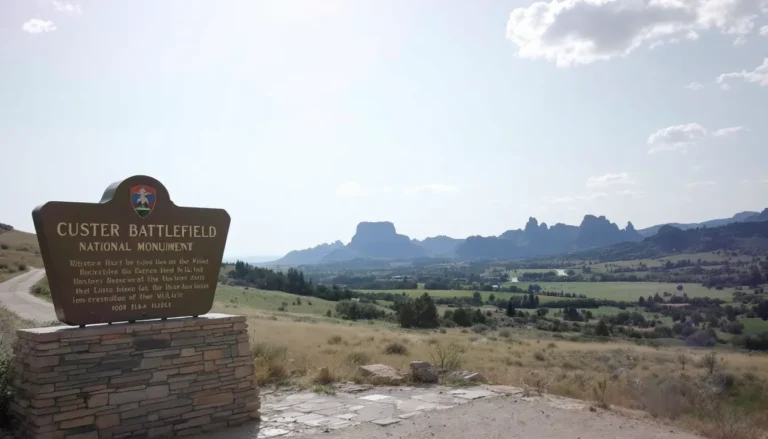
The Little Bighorn Battlefield National Monument exists as a living memorial, preserved by the National Park Service since 1879. The site encompasses roughly 765 acres of rolling prairie in southeastern Montana, maintaining much of the topography Custer and his troops encountered. Modern photographs of the battlefield reveal a landscape that, while changed by time and management, still conveys the spatial relationships and tactical challenges of June 1876.
The National Monument houses a museum that opened in 1997 and contains extensive archival materials, interpretation, and yes, photographs. The museum building itself becomes part of the visual narrative when visitors photograph the site. Visitors today encounter both the natural landscape and constructed memorials, each telling different aspects of the story. The coexistence of these elements means Little Bighorn battlefield photos often capture the interplay between wild terrain and human remembrance, between what existed 150 years ago and what exists now.
Essential Battlefield Photos: What You’ll See
Monument And Memorial Structures
The most photographed feature at Little Bighorn is undoubtedly the obelisk monument erected in 1881. This distinctive white stone structure rises prominently on Last Stand Hill and serves as the visual centerpiece for countless battlefield photographs. The monument originally commemorated only the soldiers who died: the Indian Memorial, added in 2003, stands nearby and represents a significant shift in how the battlefield interprets the battle’s full story. Photographs of these two structures together tell a more complete narrative than either alone.
Other significant structures include the block stone markers placed along the battlefield to indicate soldier casualties. These white limestone blocks dot the landscape, and photographs showing multiple markers together create a sobering visual impact. The Reno-Benteen entrenchment site contains reconstructed entrenchments and markers, while the Indian Village Memorial features a circle of red rocks commemorating the tribal encampment. Each structure photographs distinctly, and together they form the visual grammar of the memorial landscape.
Landscape And Terrain Features
The rolling prairie grassland creates the dominant visual element in Little Bighorn battlefield photos. The undulating terrain features Medicine Tail Coulee, where Custer’s forces attempted to cross, and the Missouri River breaks visible from certain vantage points. Photographs of the landscape alone, without structures or people, show the spatial scale that made cavalry maneuvering challenging. The grass heights change seasonally, affecting how photographs capture the terrain’s visual drama.
Visitors photographing the battlefield encounter various ecological zones: open prairie, wooded coulees with cottonwoods, and brushy creek bottoms. June photographs show golden-green grass and wildflowers, while winter images reveal bare terrain with snow. Summer heat creates mirages and haze that can obscure distant features, whereas spring and fall offer clearer atmospheric conditions. Many battlefield photographers specifically target these seasonal variations to show how the landscape transforms while maintaining its essential character.
Historical Markers And Interpretive Displays
Scattered throughout the site are dozens of interpretive panels providing context for specific locations. Photographs of these markers in situ show not just what the panels say, but their placement within the landscape. A marker explaining a particular troop movement becomes more meaningful when photographed against the actual terrain it describes. These displays range from small bronze plaques to large informational structures, each becoming part of the visual documentation when visitors photograph them.
The wayside exhibits explain Native American perspectives, military tactics, and individual stories from both sides. Modern photographs capturing these interpretive elements show how historical sites have evolved to present more nuanced narratives. Earlier battlefield photographs might have contained only monuments: contemporary Little Bighorn battlefield photos often include these educational markers, reflecting changing historiographical approaches.
Iconic Photography Locations On The Grounds
The Custer Monument And Museum Area
Last Stand Hill anchors the geographic center of most battlefield photography sequences. The white obelisk visible from multiple directions serves as both landmark and focal point. Photographs taken from the base looking outward show the surrounding terrain: images from a distance show the monument against the sky. The proximity of the museum building means many photographs incorporate the modern architectural presence alongside the historic monument.
The visitor center area generates the most foot traffic and so the most photographs. The paved parking area, walking trails, and viewing platforms provide established vantage points. Photographers capture the monument from the north, south, east, and west, each angle revealing different landscape features and spatial relationships. The flagpole near the visitor center creates an additional visual anchor for composition. Time-lapse photography of the monument across seasons, taken from the same location, shows how lighting and vegetation changes affect the visual impact.
The Indian Village Memorial And Cemetery
The Indian Village Memorial, located northwest of Last Stand Hill, draws photographers interested in understanding the tribal encampment’s scale and position. The memorial’s red rocks arranged in a circle create a distinct visual element different from the white stone monuments elsewhere on the battlefield. Photographs from within and around the memorial circle show both the physical memorial and the surrounding landscape where the village actually stood. During certain times of day, the red rocks photograph dramatically against the grass and sky.
The cemetery area contains graves of soldiers from the 1876 battle and others from the battlefield’s later history. Photographs of the cemetery convey a more somber tone than monument photos. Headstones in rows create geometric patterns that photographers often emphasize through composition and framing. The cemetery’s visual separation from other memorial areas makes it a distinct photographic location with its own interpretive weight.
Scenic Overlooks And Troop Movement Viewpoints
The battlefield’s rolling terrain creates natural vantage points that explain tactical movements. The ridge overlooking Medicine Tail Coulee provides a viewpoint where photographs can show the depression where Custer attempted his cavalry assault. From this perspective, the terrain’s challenge to mounted troops becomes visually apparent in ways that no description could match. Photographs taken from this overlook show the geometric spacing between different battle sectors.
Other elevated positions offer views of the Reno-Benteen entrenchment and the broader landscape. Photographers targeting these viewpoints often frame images to show multiple terrain features simultaneously, conveying the spatial relationships crucial to understanding the battle’s geography. Wide-angle photographs from overlooks capture the scale of the battlefield, while telephoto images isolate specific monuments and markers against the distant landscape. The viewpoints are carefully marked on the site map, and many established trails lead to optimal photographic positions.
Tips For Photographing The Battlefield
Best Times Of Day And Seasonal Conditions
Golden hour, the first hour after sunrise and the last hour before sunset, produces the most dramatic Little Bighorn battlefield photos. The low-angle sunlight emphasizes the terrain’s relief and creates strong contrast on the monuments. Morning light from the east illuminates the monument’s east face, while evening light from the west creates different shadow patterns and color temperatures. Photographers serious about capturing the site typically plan multiple visits at different times of day to collect diverse perspectives.
Seasonal timing significantly affects photograph aesthetics. Spring (May-early June) brings green grass and wildflower blooms, creating vibrant color in landscape photographs. Late summer (July-August) produces golden-dried grassland and clear skies, ideal for high-contrast monument photography. Fall offers cooler temperatures and crisp air clarity, excellent for distant views. Winter (November-February) creates stark, minimalist compositions with bare ground and monochromatic skies. Many photographers return across seasons to show the battlefield’s transformation while maintaining geographic consistency.
Weather conditions create additional variables. Dramatic cloud formations enhance landscape photographs, while clear skies produce differently colored monument images depending on time of year. Overcast conditions eliminate harsh shadows on monuments but reduce overall image contrast. Wind direction affects grass appearance, with side-lighting emphasizing texture. Rain-wet monuments photograph differently than dry ones, with water bringing out subtle color variations in the limestone.
Camera Settings And Equipment Recommendations
For landscape and environmental context photographs, wide-angle lenses (14-35mm equivalent focal length) capture the spatial scale that defines the battlefield. These focal lengths show monuments against surrounding terrain, conveying the geographic relationship between features. Standard focal lengths (50mm equivalent) work well for monument documentation and tight composition shots. Telephoto lenses (70-200mm equivalent) isolate specific markers or monuments against distant backgrounds, creating compressed perspectives that emphasize spatial layering.
Exposure settings should account for Montana’s intense sunlight and high altitude. Metering towards the sky and underexposing by one-half to one full stop prevents white monuments from blowing out detail. ISO settings can remain low in daylight (100-400) but should increase for overcast conditions or golden hour photography. Shutter speeds of 1/250 or faster prevent motion blur when hand-holding telephoto lenses in wind. Aperture settings from f/8 to f/16 maintain depth of field across uneven terrain, ensuring both foreground and background sharpness.
Tripods dramatically improve composition consistency and stability, especially for landscape photography. A sturdy tripod allows photographers to frame monuments precisely against specific terrain features. Circular polarizing filters reduce glare and enhance sky color in landscape photographs. ND filters enable longer exposures for creative effects with moving clouds. A remote shutter release or camera’s built-in timer prevents camera shake during exposure. These accessories aren’t essential but substantially improve image quality and creative possibilities.
Archival And Historical Photos: Understanding The Record
Primary Source Images And Their Context
Photographs taken in the immediate aftermath of the Little Bighorn battle (late June-July 1876) constitute the rarest and most historically significant images. Only a handful of contemporaneous photographs exist, taken by photographers who traveled to the battlefield within weeks of the battle. These early images show the terrain essentially undisturbed and human activity still raw from the conflict. Understanding these primary source photographs requires knowing that photographic technology of 1876 required long exposures and stationary subjects, dynamic battle action couldn’t be captured in real-time.
Many early photographs show military officials, survivors, and burial parties at the site. These images document the first memorialization efforts and the landscape before permanent structures existed. The photographic quality reflects 1870s technology: slower film speeds created graininess, long exposures sometimes blurred movement, and weather-dependent conditions sometimes produced underexposed or overexposed results. Even though technical limitations, these photographs preserve visual evidence of the battlefield’s original state and early interpretation efforts.
Photographs from the 1880s-1920s show the gradual construction of monuments and the landscape’s evolution. The white obelisk appears in photographs starting in the 1880s, documenting its completion and positioning. Images from the early 20th century show increased visitation, with people posing at monuments for photography. These photographs became the visual reference standard for generations of visitors and researchers before modern photography became common.
How Modern Photos Compare To Historical Documentation
Modern Little Bighorn battlefield photos reveal significant landscape changes even though the site’s preservation efforts. The greatest change involves vegetation management. Early photographs show sparse vegetation and relatively bare terrain in many areas: contemporary photographs show thicker grass and more established vegetation patterns. This reflects both natural ecological succession and deliberate management decisions by the National Park Service.
Monument preservation and addition has dramatically changed the visual landscape. Early photographs show relatively sparse markers: modern photographs show the extensive network of white stone markers, the Indian Memorial, and various interpretive structures. Comparing early photographs to modern images at the same location reveals how the site’s visual character has transformed through intentional memorialization additions. The photograph series documenting these changes essentially shows the site’s historiography evolving visually.
Accessibility improvements including paved roads, boardwalks, and viewing platforms have altered the landscape’s appearance. Photographic comparison shows these infrastructure additions and their impact on visitor experience and photographic possibilities. Photographs taken from identical positions across decades show how the battlefield’s visual presentation has shifted. Gaming photography composition principles found in detailed reviews sometimes parallel historical photograph documentation practices, where positioning, framing, and context create meaning beyond the subject itself. Modern digitally-enhanced restoration of historical photographs allows viewers to see faded archival images with greater detail, creating new interpretive possibilities alongside original negative scans.
Planning Your Visit For Photography
Visitor Information And Hours
The Little Bighorn Battlefield National Monument is open year-round, with seasonal hour variations. Summer hours (June-August) typically run 8 AM to 6 PM, providing extended shooting time during favorable light conditions. Winter hours (December-February) are generally 8 AM to 4 PM. Spring and fall hours fall between these extremes. Photographers should check the official National Monument website for current hours, as seasonal transitions sometimes involve temporary adjustments.
Entrance fees apply ($7 per vehicle as of recent years, though fees can change). Annual passes and America the Beautiful passes provide access without per-visit fees. The visitor center provides maps, orientations, and informational resources that help photographers understand significant viewpoints and historical context. Guided tours are available at specific times and provide expert interpretation of photographic locations and historical significance. Planning visits around tour schedules can enhance photographic understanding and access to knowledgeable perspectives.
The Montana location means weather considerations and accessibility varies substantially by season. Visitors should consult current conditions before traveling, as winter weather can create temporary closures or difficult driving conditions. The site’s elevation (roughly 2,100 feet) creates thinner atmosphere affecting both visitors and camera equipment performance. Photography guides published on The Loadout showcase detailed equipment recommendations that parallel the strategic planning necessary for battlefield photography documentation.
Accessibility And Trail Conditions
The main visitor center and monument area feature paved surfaces and accessible parking, accommodating visitors with mobility limitations. The viewing platforms near the Custer Monument provide wide paved areas for photography and observation. Several miles of trails connect major sites, with varying difficulty levels. The paved roads accommodate vehicles, allowing photographers with mobility challenges to access viewpoints without hiking.
Unpaved trails lead to the Indian Village Memorial, Reno-Benteen entrenchment, and other sites. These trails vary in difficulty from relatively easy 0.5-mile walks to moderately strenuous 2-3 mile hikes. Photographers should wear sturdy footwear, carry water, and account for Montana weather changes. The open prairie provides minimal shade: sun protection and appropriate clothing are essential. Trail conditions change seasonally, with spring mud, summer heat, and winter snow affecting accessibility and photographic logistics.
Photographers planning extended visits should budget adequate time for site exploration. A comprehensive visit photographing multiple locations typically requires 4-6 hours minimum, with full-day visits allowing for multiple light conditions and seasonal detail photography. Sunrise photography requires overnight accommodation in nearby Hardin, Montana, roughly 15 miles away. Planning lodging, meal stops, and weather considerations into photographic itineraries ensures productive and comfortable visits. IGN’s detailed guides often emphasize preparation and resource planning: similar preparation principles apply to historical site photography documentation.
Conclusion
Little Bighorn battlefield photographs capture a landscape where history, memory, and natural terrain intersect. Whether viewing archival images from 1876 or contemporary photographs from smartphones, these images tell the story of a pivotal moment in American history and how that moment continues to shape understanding. The visual documentation from the site, from white monuments against golden grass to interpretive markers explaining complex historical narratives, creates a comprehensive photographic record that evolves as historical understanding deepens.
Photographers visiting the site today stand where photographers stood 150 years ago, framing the same terrain from similar vantage points. Yet each photograph, influenced by seasonal conditions, technological capabilities, and historical perspective, tells a distinctly different story. Understanding Little Bighorn battlefield photos means recognizing that photographs themselves are interpretations, selections of what to include, when to capture, and how to frame a complex historical landscape. The strongest battlefield photographs acknowledge both the visual beauty of the Montana prairie and the profound historical weight that landscape carries.